


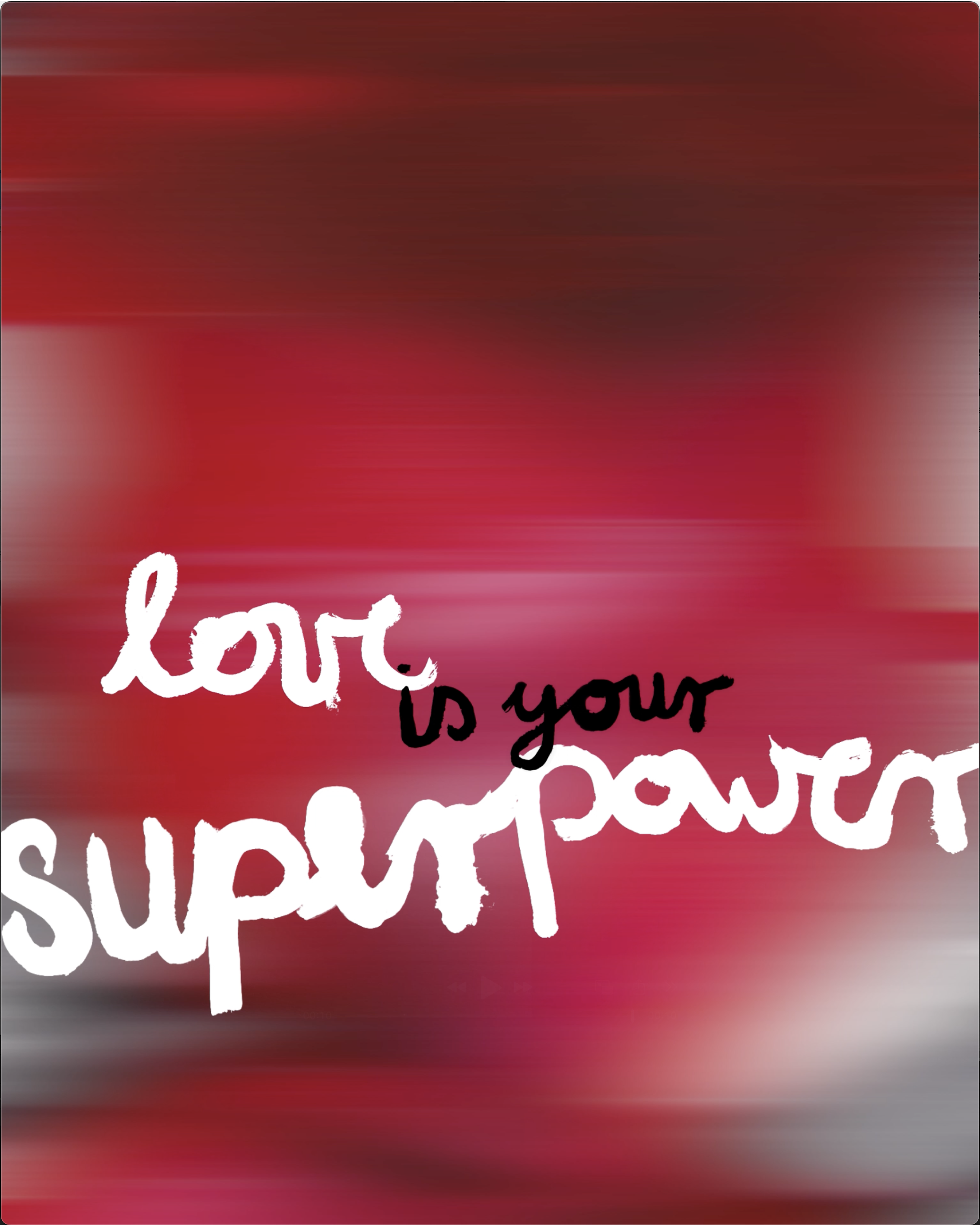
Love is our superpower
In late 2019, my friend Chantale announced, she was pregnant and asked me to photograph this pivotal moment in her life. I was thrilled about the news and humbled by her request. The idea of new life entering the world moves me profoundly and although I have not carried a pregnancy to term, I deeply relate to the significance of this transformation. Witnessing a dear friend step into motherhood was both an emotional and artistic privilege. Chantale was due in late May, we planned to shoot in the earlier days of the month. However, an unforeseen challenge loomed when the world shut down in March of 2020. We were devastated. Yet, I couldn’t let this significant moment go undocumented and proposed a remote portrait session via Face Time. We set a date and created a remote studio. As we moved through the session, I undressed to match her vulnerability, using my own body to guide her finding her shapes. We engaged with empathy, respect, and deep trust—it was an act of love.
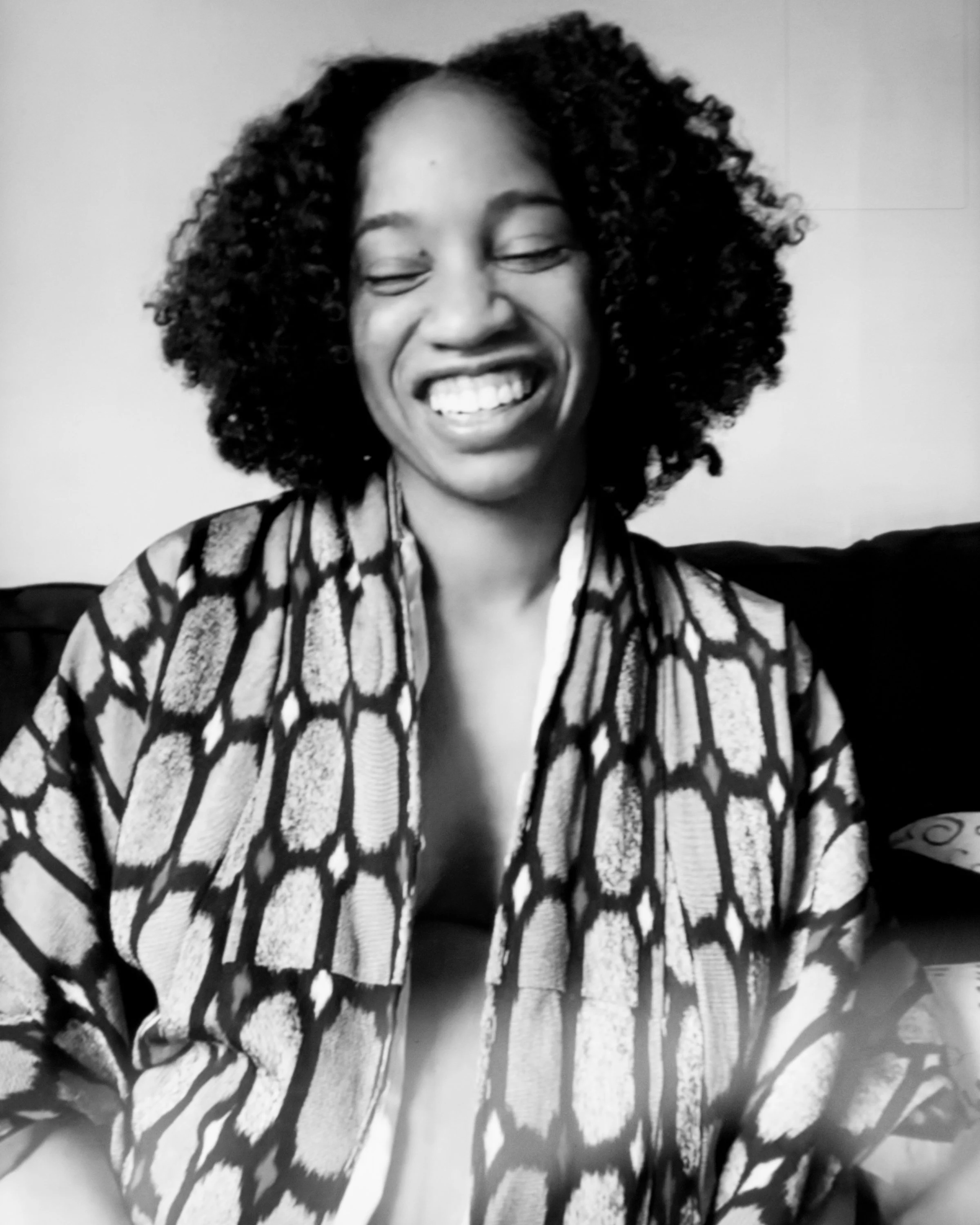






When we silence the noise of our egos and connect through our shared humanity, we uplift, empower, and love each other as we are. Love among women is an act of resistance. As Audre Lorde wrote, “The love expressed between women is particular and powerful because we have had to love in order to live; love has been our survival.”
Society conditions women to see one another as competitors—pressured by Eurocentric beauty standards, cisgender and binary norms, the pursuit of eternal youth, and the divisive forces of systemic racism. This conditioning fuels a cycle of comparison and isolation, allowing oppressive structures to persist. We are made to believe we are replaceable. When entering motherhood, we often find ourselves at the beginning or in the midst of building our careers, only to face the risk of being erased from the path we worked so hard to create. From a young age, we are told that as we grow older, a male partner can simply replace us with a ‘younger version.’ These threats of replacement fuel competition and distrust among women that affect all demographics and society at large. Yet, love disrupts. Love moves prejudice aside, dismantles barriers, and opens possibilities.
Expanding on this notion, choosing love not only within, but also beyond our demographic challenges systems of power. We dissolve what separates us and lay the foundation for equality, inclusivity, and a stronger society. Love is not “just a feeling”; love is our superpower.